Introduction
A significant shift is occurring in educational administration as modular school management systems become essential tools for enhancing operational efficiency and user satisfaction. These systems provide a tailored approach, enabling institutions to select and customize functionalities that align with their specific needs. This ultimately streamlines processes and improves communication.
However, as schools confront the challenge of adapting to evolving demands and diverse operational requirements, how can they effectively leverage these modular solutions to not only address their current needs but also prepare for future growth?
Customization Through Modular Design
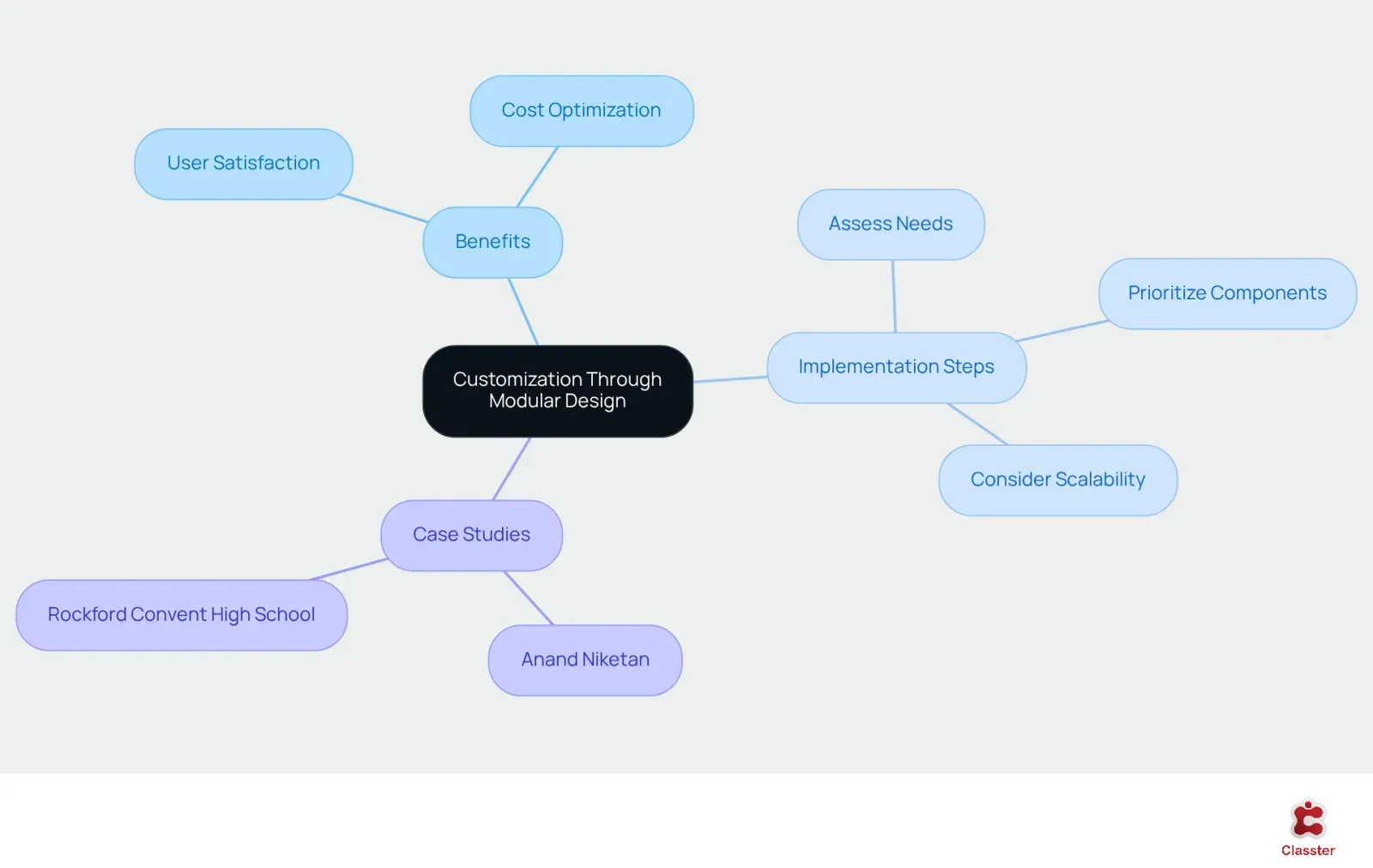
Modular management platforms, such as a modular school management system, empower educational organizations to tailor their software to meet specific operational needs. This flexibility enables schools to select only the essential modules of a modular school management system, such as admissions, billing, or library management, while retaining the option to expand functionalities as their requirements evolve. Such a customized approach not only enhances user satisfaction but also optimizes resource allocation, thereby minimizing costs associated with unused features. For example, a small academy may only require basic modules, whereas a larger university might benefit from a comprehensive suite of functionalities. This adaptability is crucial in the current educational landscape, where institutions encounter diverse challenges and must respond swiftly to changing demands.
As Mariella Coto from UCreativa remarks, “The availability of the Classter team was exceptional. A great experience built on professionalism and trust.” Furthermore, organizations highlighted in our case studies have demonstrated the effectiveness of the modular school management system in practical applications. With the modular school management system market projected to reach USD 21.79 billion by 2031, growing at a 9.93% CAGR, the trend towards modular and cloud-based solutions is unmistakable.
To successfully implement a modular framework, administrators should:
- Assess their specific needs
- Prioritize essential components
- Consider future scalability to ensure that their chosen solution evolves alongside their institution
Enhanced User Experience with Role-Based Dashboards
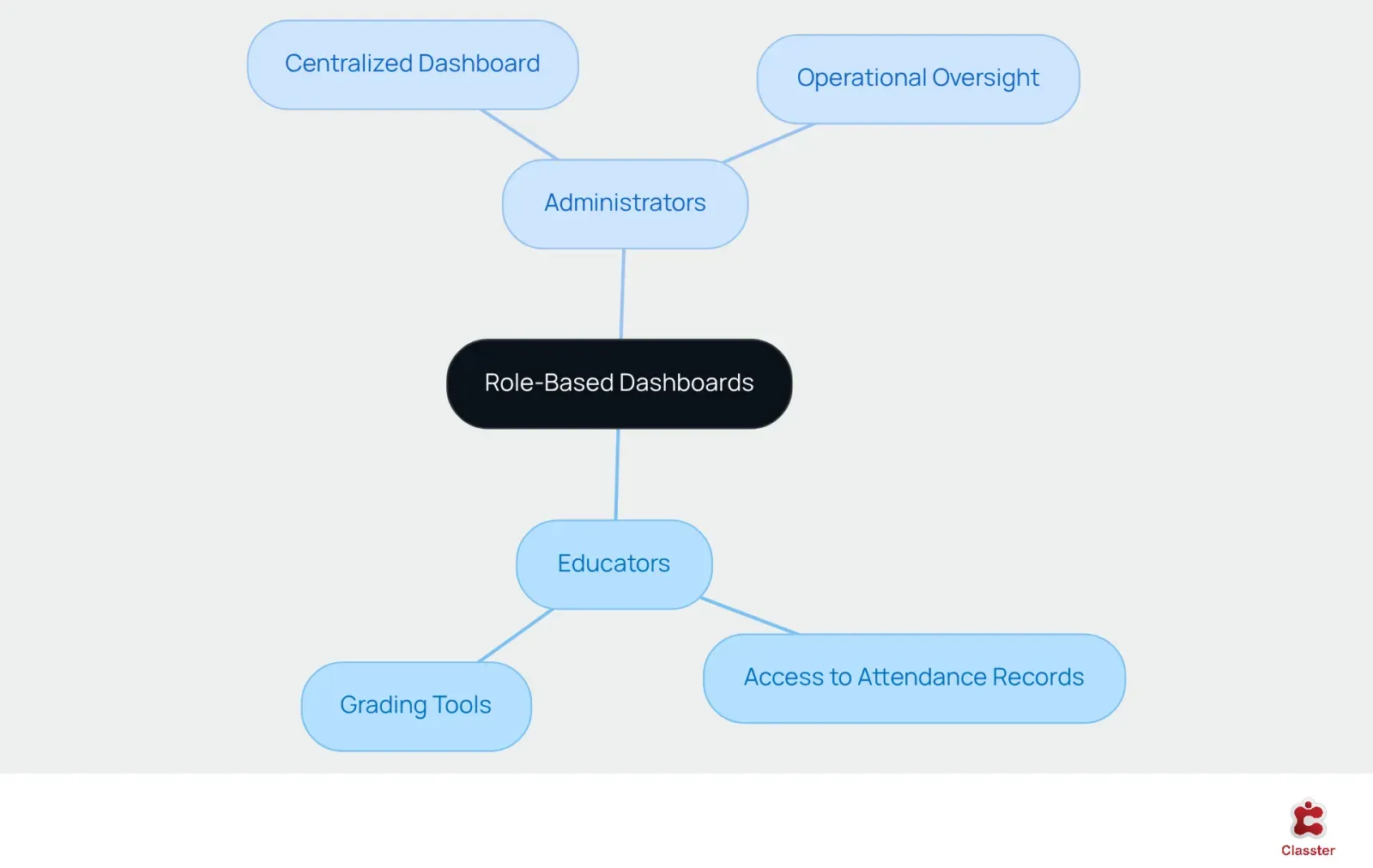
Role-based dashboards in the modular school management system deliver personalized experiences tailored to the specific needs of administrators and educators. By providing targeted access to tools and data relevant to each role, these dashboards streamline workflows and reduce confusion. For example, educators can swiftly access attendance records and grading tools, while administrators benefit from a centralized dashboard that oversees overall institutional operations.
This focused approach improves operational efficiency, enabling educational institutions to utilize a modular school management system for smoother and more effective operations.
Accessibility and Flexibility with Cloud-Based Solutions
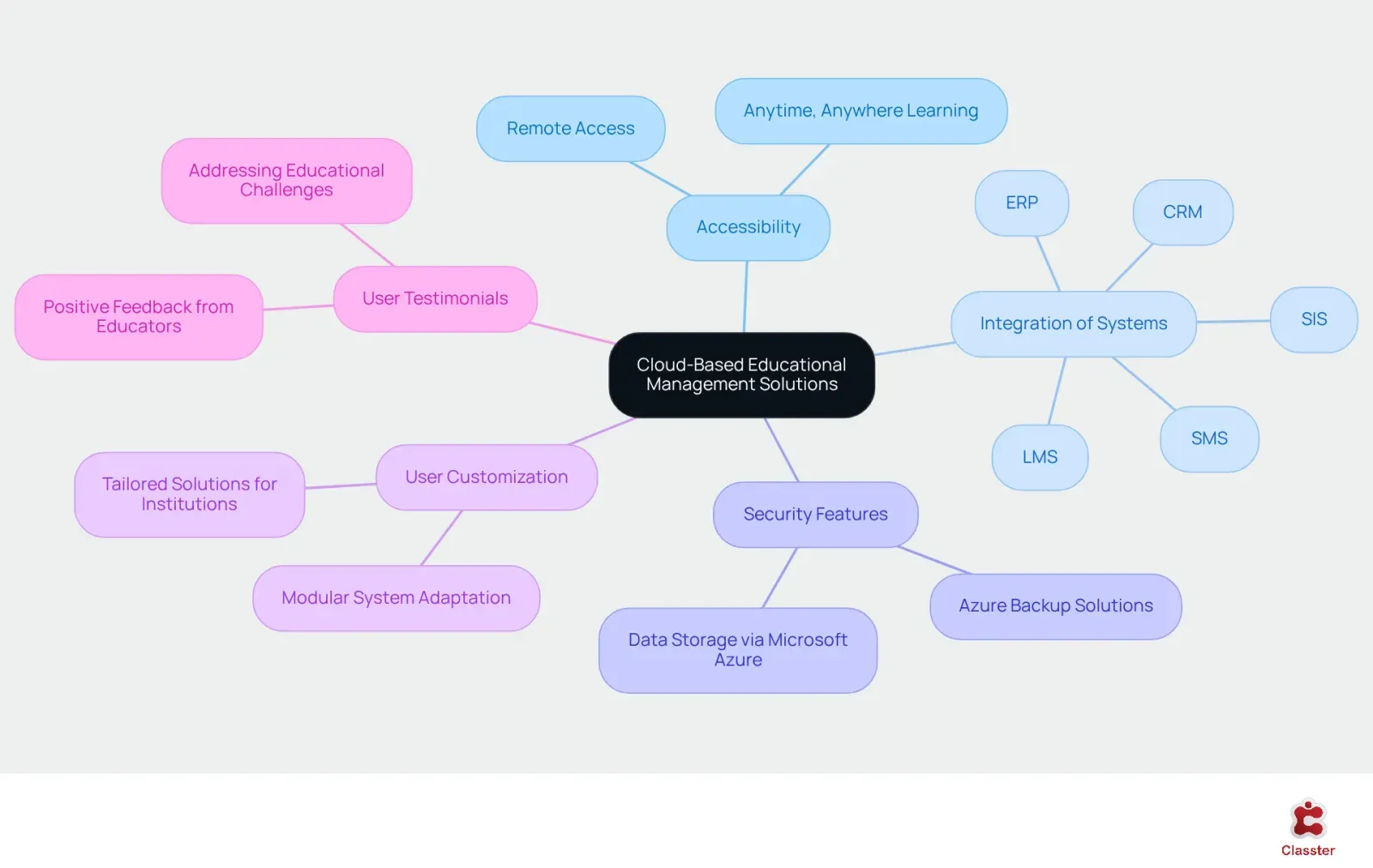
Cloud-based educational management platforms provide exceptional accessibility, allowing users to access services from any location at any time. This flexibility is particularly advantageous in remote learning environments, where smooth interaction between teachers and students is essential. The comprehensive modular school management system integrates functionalities from five distinct solutions, SIS, SMS, LMS, ERP, and CRM, into a single platform, thereby streamlining operations and enhancing educational feedback loops.
Moreover, the platform offers a reliable cloud environment with robust security features, including data storage and access via Microsoft Azure, complemented by Azure Backup for secure and trustworthy backup solutions. Cloud solutions typically include automatic updates and maintenance, alleviating the burden on IT staff. For instance, a school can effortlessly scale its operations by utilizing a modular school management system to add new users or modules without requiring extensive hardware upgrades.
User testimonials highlight the platform’s effectiveness, with educators noting its ability to address various challenges within their frameworks. This modular school management system enables institutions to customize their systems to meet specific needs, ensuring effective adaptation to evolving educational demands.
Robust Security and Compliance Measures
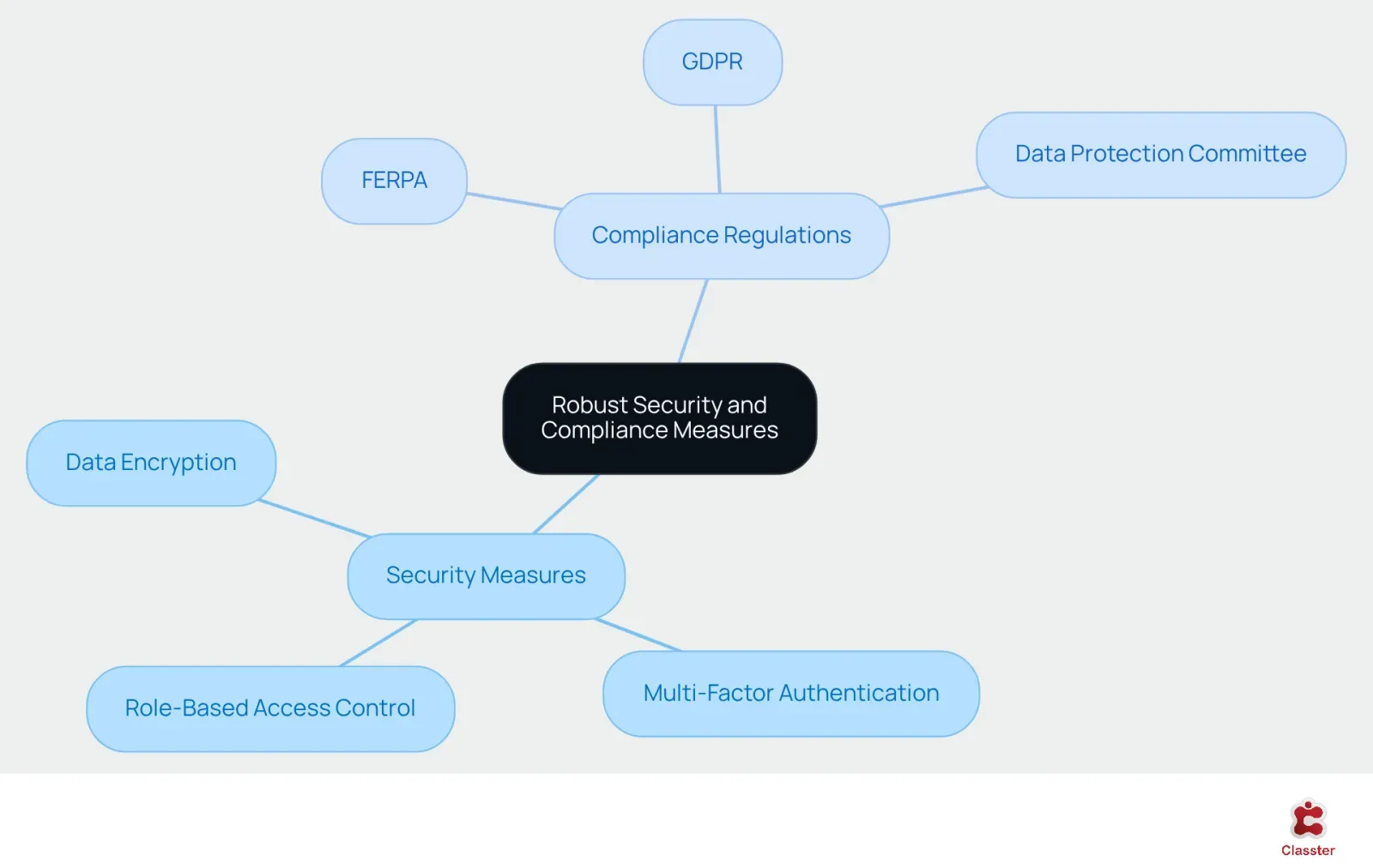
Security is paramount in a modular school management system, particularly those offered by various platforms. These solutions incorporate essential elements such as:
- Data encryption
- Multi-factor authentication
- Role-based access control
Such safeguards are vital for protecting sensitive information, including academic records and financial data, from unauthorized access.
Moreover, adherence to regulations like GDPR is smoothly integrated into Classter’s systems, fostering trust among learners and parents. For instance, schools can implement stringent access controls, ensuring that only authorized personnel can access sensitive data, which significantly enhances overall data protection.
As educational institutions increasingly prioritize cybersecurity, the implementation of a modular school management system becomes essential for comprehensive data protection strategies that maintain the integrity and confidentiality of learner information. Ongoing training for staff and students is crucial in cultivating a culture of data protection.
Furthermore, schools should consider establishing a Data Protection Committee to oversee these initiatives. This committee would ensure compliance with evolving regulations and leverage available solutions to bolster their data security posture.
Process Automation for Increased Efficiency
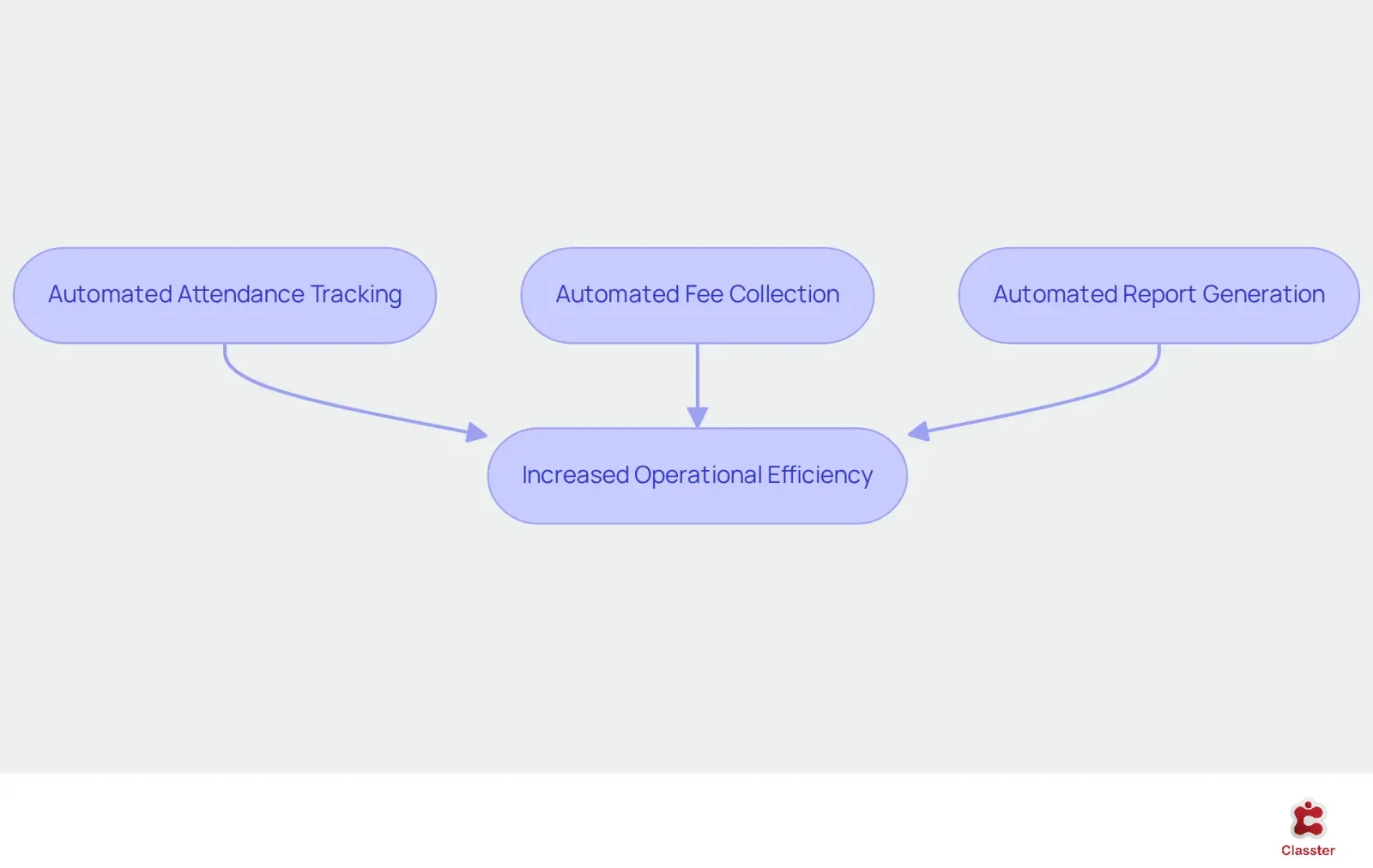
The modular school management system significantly enhances operational efficiency by facilitating process automation. This automation leads to substantial reductions in time spent on repetitive administrative tasks. For instance, automated attendance tracking, fee collection, and report generation allow staff to focus on more strategic initiatives. Such a shift not only boosts productivity but also minimizes errors associated with manual data entry.
Moreover, schools can implement automated workflows to improve interdepartmental communication, ensuring that all stakeholders remain aligned. Case studies reveal that institutions utilizing a modular school management system have experienced notable improvements in operational efficiency. Consequently, educators can dedicate more time to teaching rather than administrative duties.
Smooth Integration with Existing Tools
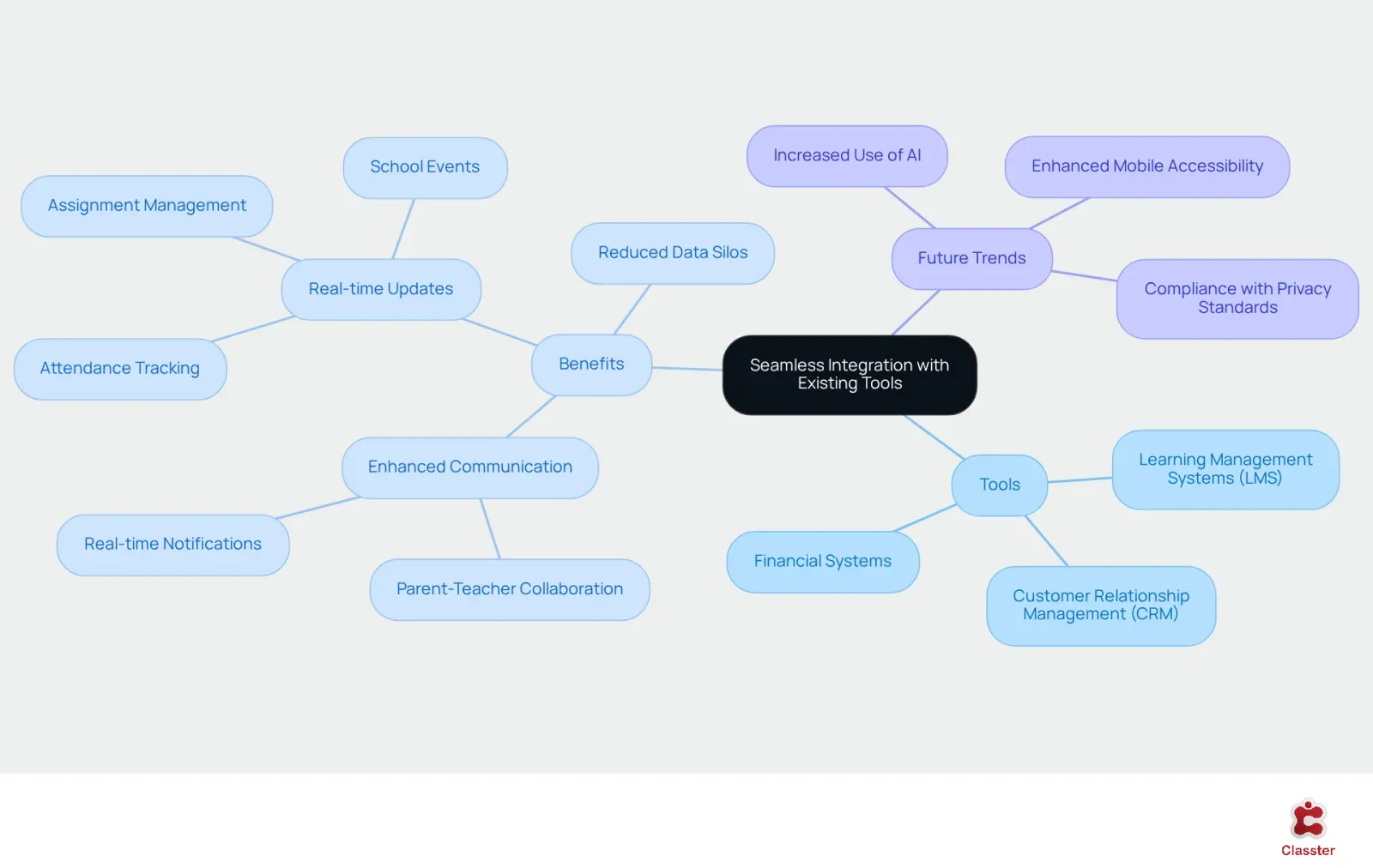
A modular school management system is exceptional in its capacity to integrate smoothly with existing tools, such as learning management systems (LMS), customer relationship management (CRM) software, and financial systems. This interoperability maximizes the value of current technology investments and significantly enhances the overall functionality of the modular school management system. For instance, incorporating the platform with an LMS simplifies course administration and learner monitoring, delivering a unified experience for both instructors and learners.
As John Hughes noted, “Classter provides us with a robust and secure solution to meet our goal of centralized management of student data across multiple countries.” This approach effectively reduces data silos, fosters enhanced communication across platforms, and supports hybrid learning models that many K-12 institutions are adopting. As educational institutions increasingly prioritize adherence to privacy standards like GDPR and COPPA, the capability to sustain secure and efficient data flow becomes essential.
Furthermore, the integration of these systems allows for real-time updates on attendance, assignments, and school events through dedicated mobile apps, thereby enhancing transparency and engagement among all stakeholders. Ongoing interaction between parents and teachers is essential for monitoring progress, and interoperability enhances this collaboration.
By 2026, the trend towards interoperability in educational technology is anticipated to expand considerably, allowing institutions to adjust to each individual’s learning pace and enhance educational results.
Improved Communication Through Dedicated Portals
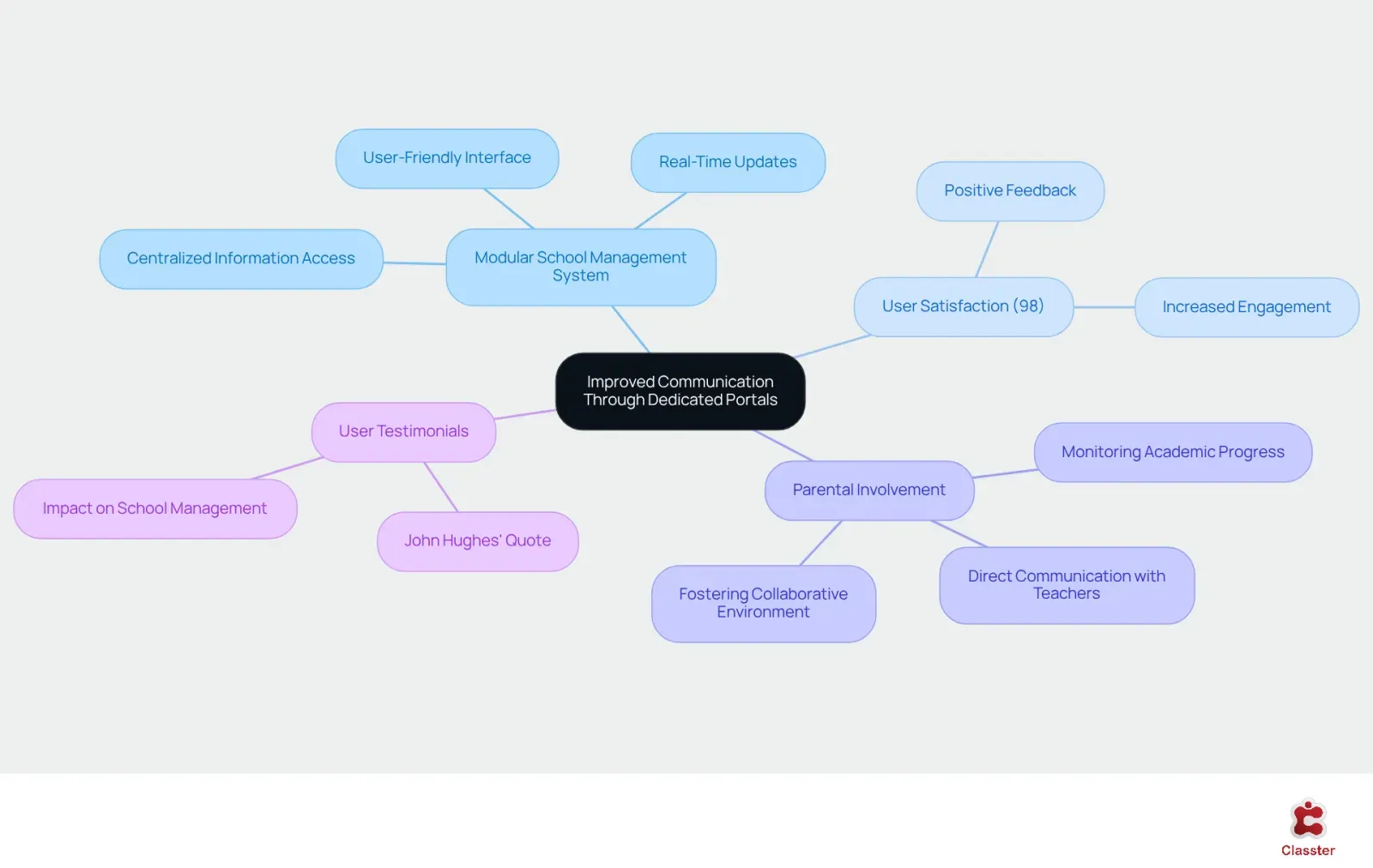
Dedicated platforms for learners, guardians, and educators, including a modular school management system, play a crucial role in enhancing communication within the educational community. These platforms function as a modular school management system, acting as centralized hubs for disseminating essential information, such as grades, attendance records, and school announcements.
For example, parents can easily monitor their child’s academic progress and communicate directly with teachers, thereby fostering a collaborative educational environment. This efficient communication not only keeps all stakeholders informed but also actively promotes parental involvement through the use of a modular school management system, which is a key factor in academic success.
User testimonials further underscore the effectiveness of these portals; John Hughes remarks, ‘Classter serves as a modular school management system that provides us with a robust and secure solution to meet our goal of centralized management of learner data across multiple countries.’
Furthermore, user manuals are available to assist students and parents in effectively utilizing these portals, ensuring they can fully engage in the educational process.
Comprehensive Functionality with Diverse Modules
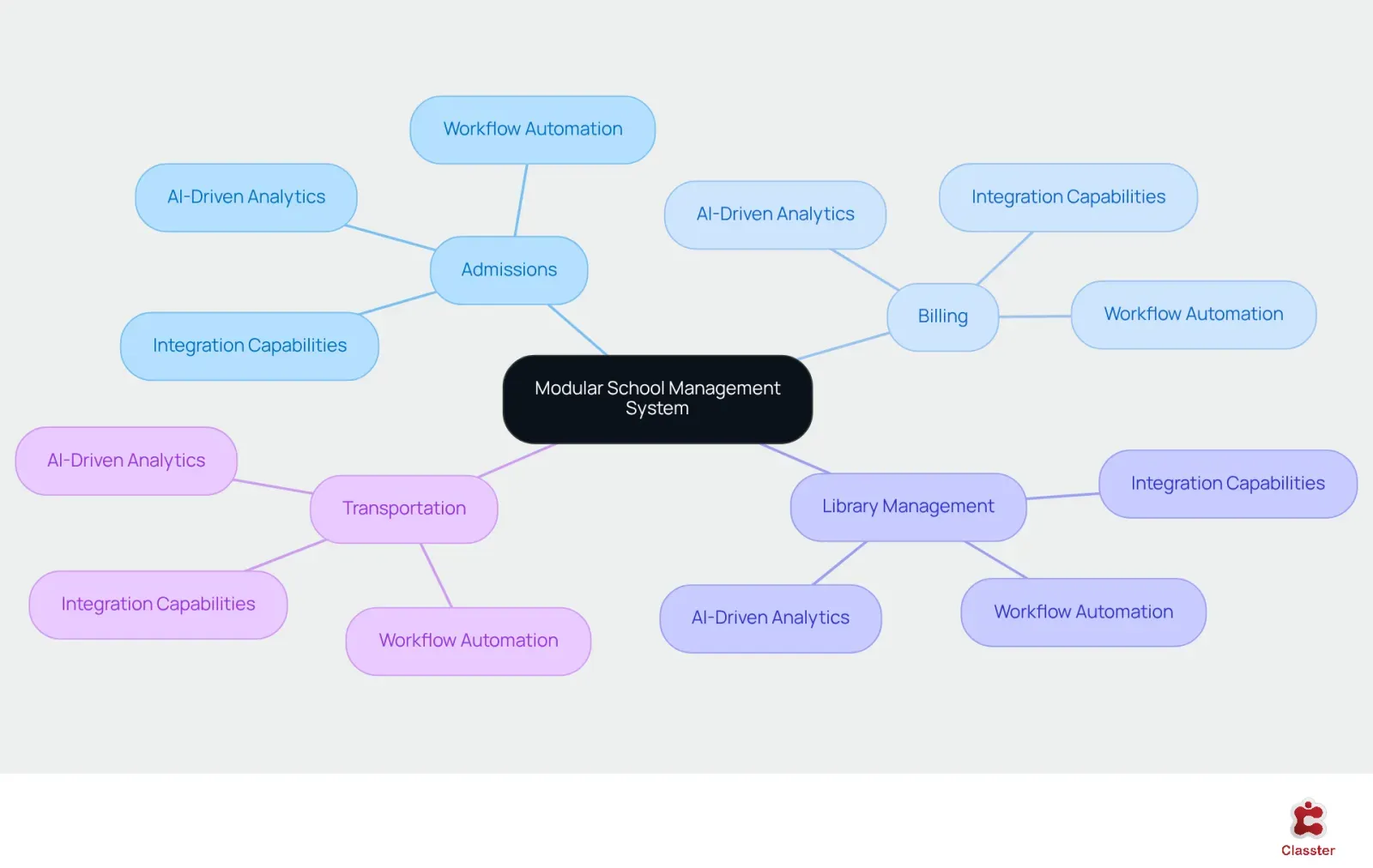
A modular school management system offers a comprehensive range of features tailored to various aspects of academic operations. These solutions address critical areas such as:
- Admissions
- Billing
- Library management
- Transportation
This equips administrators with essential tools for effective management. Schools can strategically select specific modules from a modular school management system that align with their unique requirements, ensuring they possess the optimal resources to enhance their operations. For example, an educational institution may implement an internship management module to better prepare students for their future careers, illustrating how targeted solutions can significantly improve educational outcomes.
As we approach 2026, the latest functionalities in these platforms include:
- Built-in workflow automation
- AI-driven analytics for actionable insights
- Smooth integration capabilities
All designed to optimize processes and foster a more connected educational environment. Arissa Shanganlall, an EdTech expert, states, “In 2026, a school management solution is a fully connected digital platform that supports every part of school operations.” This underscores the importance of a modular school management system in creating a comprehensive and efficient educational experience.
Furthermore, institutions such as TMAI and MCAST have successfully leveraged Classter’s unified solution.
Scalability for Growing Educational Institutions
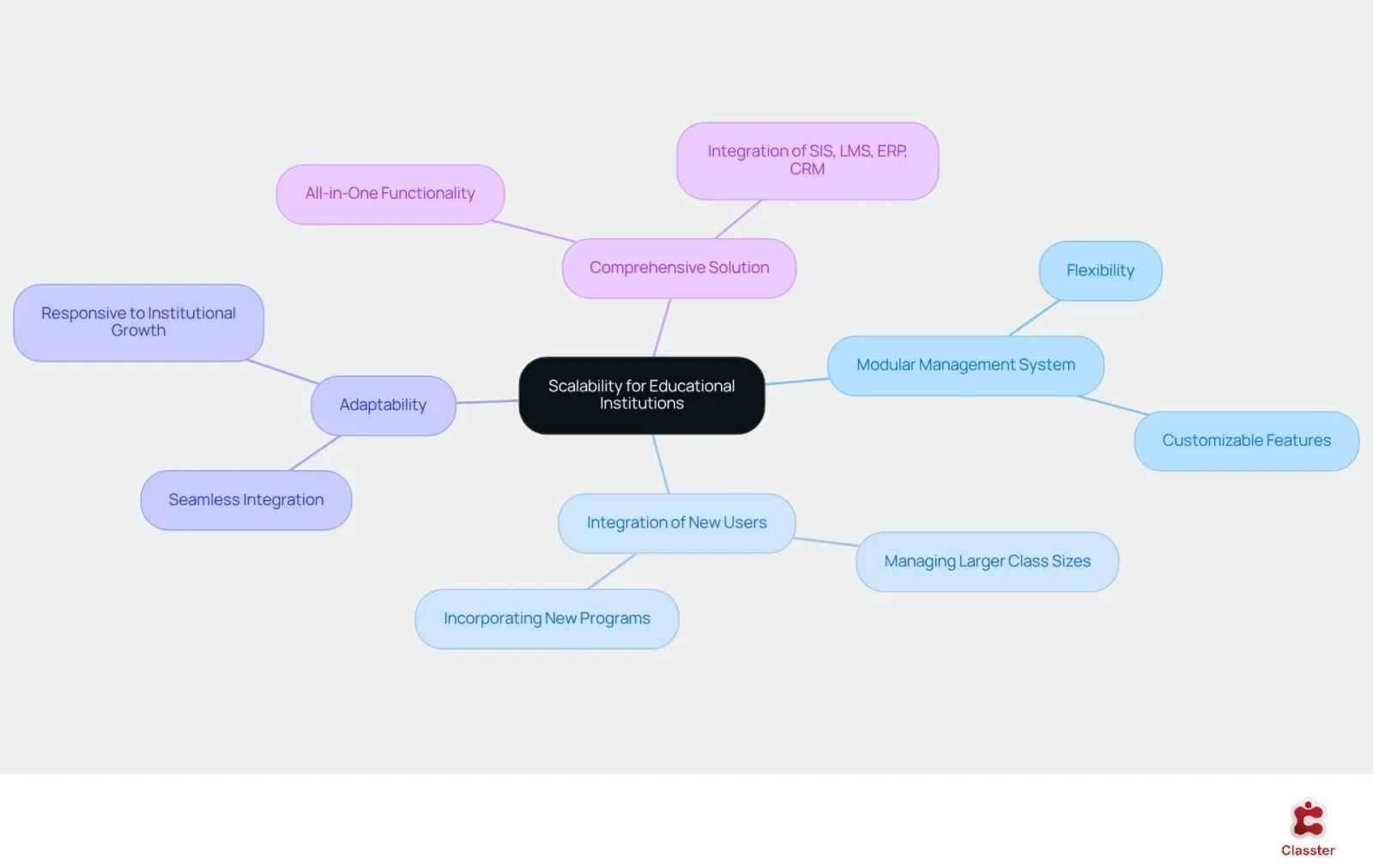
Scalability stands out as a fundamental feature of Classter’s modular management system, enabling institutions to expand their operations with minimal disruption. As educational institutions grow, they can smoothly integrate new users, modules, or functionalities to meet increasing demands. For example, an institution that experiences an uptick in its student body can swiftly incorporate additional modules designed for managing larger class sizes or new programs. This adaptability guarantees that the platform remains effective and efficient, regardless of the institution’s size, serving various educational segments, including K12 schools, higher education, and training centers.
Moreover, Classter’s unified functionality amalgamates the capabilities of SIS, SMS, LMS, ERP, and CRM, offering a comprehensive solution that can be tailored to meet the unique needs of each institution. Educational leaders emphasize the necessity of adjusting management frameworks to foster growth, underscoring that a well-organized modular approach can significantly enhance operational efficiency and responsiveness in a dynamic educational landscape.
Overall Impact on Operational Efficiency and Satisfaction
Implementing a modular school management system significantly enhances operational efficiency and user satisfaction in learning institutions. By streamlining administrative processes and improving communication, these solutions allow administrators to concentrate on strategic initiatives rather than routine tasks. This shift not only leads to better educational outcomes but also fosters higher satisfaction levels among learners and guardians, thereby contributing to a more engaged educational community.
Administrators emphasize the flexibility and customization options as key advantages. John Hughes, a participant from a global organization, noted that the platform provides a robust and secure solution for centralized management of learner information across various countries. Additionally, Mariella Coto from a complex university praised the exceptional availability and professionalism of the team, which greatly facilitated their successful implementation.
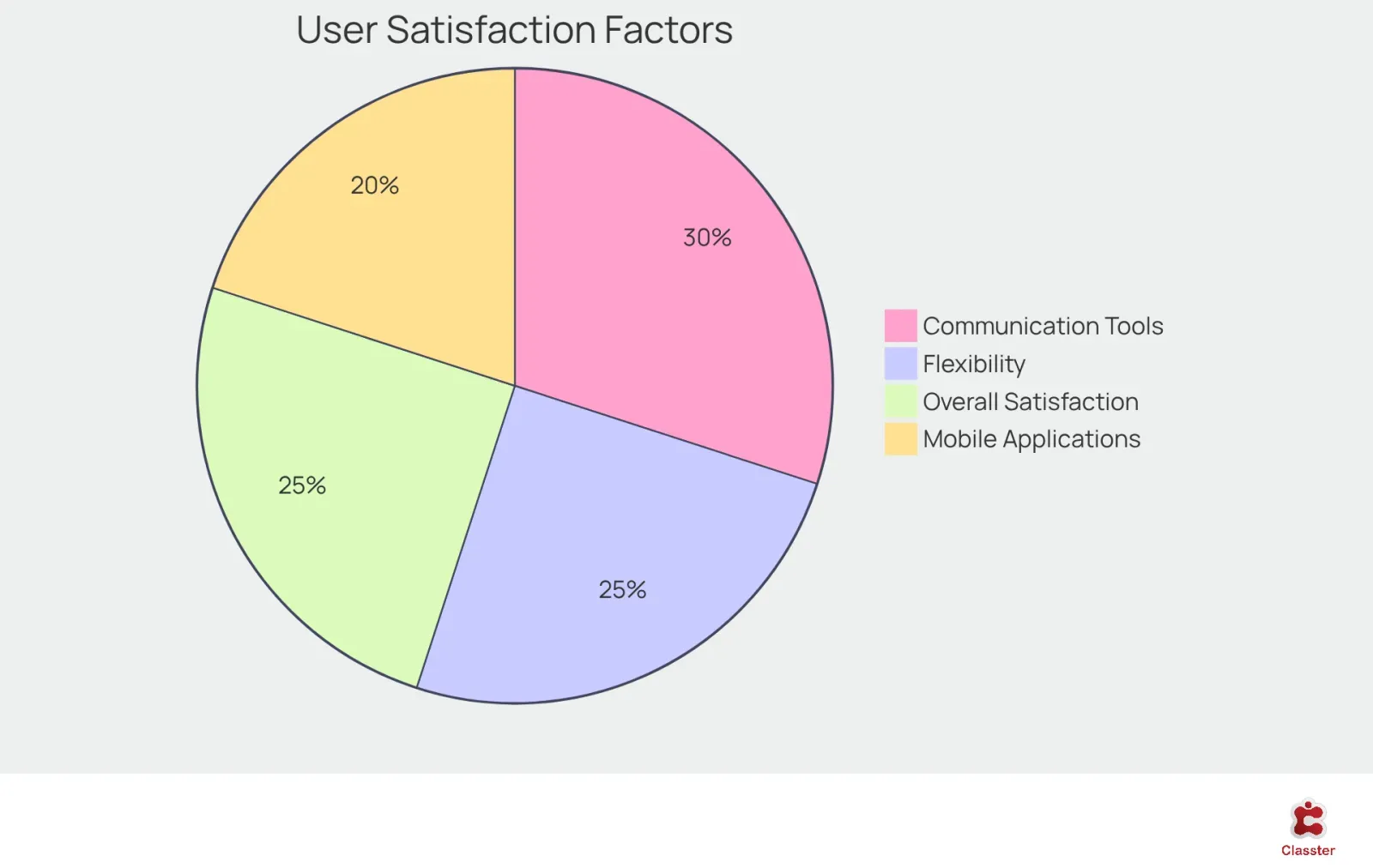
Moreover, as educational institutions prioritize ongoing communication between parents and teachers, the enhanced communication tools within Classter allow for better monitoring of academic progress. These tools provide real-time updates on attendance, assignments, and events, making it easier for parents to stay informed and engaged. This continuous interaction not only strengthens the school community but also positively influences learner motivation and achievement. Recent statistics indicate that user satisfaction rates in educational technology are expected to reach 95% by 2026, driven by advancements in the modular school management system, such as Classter, that offer intuitive interfaces and robust features. The introduction of dedicated mobile applications further boosts user satisfaction by delivering functionalities that keep parents and students connected and informed.
Conclusion
In conclusion, adopting a modular school management system is essential for educational institutions aiming to enhance their operational efficiency and user satisfaction. This approach allows schools to customize their administrative processes to meet specific needs, ensuring a responsive and effective management solution.
Key benefits of implementing such a system include:
- Improved user experiences through role-based dashboards
- Increased accessibility via cloud-based solutions
- Robust security measures for data protection
- Automation of repetitive tasks
These features collectively foster a more efficient educational environment, enabling institutions to concentrate on strategic initiatives rather than being overwhelmed by routine administrative duties. Furthermore, the scalability of these systems ensures that as educational institutions grow, they can smoothly adapt their management solutions to address new challenges.
It is crucial for educational leaders to recognize the significance of adopting a modular school management system. By doing so, they not only enhance operational efficiency but also contribute to a more engaged and satisfied educational community. As the landscape of education continues to evolve, embracing these innovative solutions will be vital in meeting the diverse needs of learners and educators, ultimately leading to improved academic outcomes and a brighter future for all stakeholders involved.
Frequently Asked Questions
What is a modular school management system?
A modular school management system is a flexible software platform that allows educational organizations to customize their operational tools by selecting only the essential modules they need, such as admissions, billing, or library management, with the option to expand functionalities as requirements change.
How does modular design benefit educational institutions?
Modular design enhances user satisfaction, optimizes resource allocation, and minimizes costs associated with unused features. It allows institutions to tailor their software to their specific needs, which is crucial in responding to diverse challenges in the educational landscape.
Can you provide examples of schools that have successfully implemented modular frameworks?
What is the projected market growth for modular school management systems?
The modular school management system market is projected to reach USD 21.79 billion by 2031, growing at a 9.93% compound annual growth rate (CAGR).
What steps should administrators take to implement a modular framework successfully?
Administrators should assess their specific needs, prioritize essential components, and consider future scalability to ensure that their chosen solution evolves alongside their institution.
What are role-based dashboards in a modular school management system?
Role-based dashboards provide personalized experiences tailored to the specific needs of administrators and educators, allowing targeted access to tools and data relevant to each role, which streamlines workflows and reduces confusion.
How do cloud-based solutions enhance accessibility for educational institutions?
Cloud-based solutions provide exceptional accessibility, allowing users to access services from any location at any time, which is particularly beneficial in remote learning environments.
What functionalities are integrated into the modular school management system?
The modular school management system integrates functionalities from five distinct solutions: Student Information System (SIS), School Management System (SMS), Learning Management System (LMS), Enterprise Resource Planning (ERP), and Customer Relationship Management (CRM).
What security features are included in cloud-based educational management platforms?
Cloud-based platforms offer robust security features, including data storage and access via Microsoft Azure, complemented by Azure Backup for secure and trustworthy backup solutions.
List of Sources
- Customization Through Modular Design
- School Information Management System Market, Size & Forecast (https://mordorintelligence.com/industry-reports/school-information-management-system-market)
- Importance of School Management System Plugins (https://wpschoolpress.com/importance-of-school-management-system-plugins)
- Benefits of implementing a school management system (https://kydemy.com/en/posts/benefits-of-implementing-a-school-management-syste)
- Case Studies, School Management System | School Administration Software (https://vidyalayaschoolsoftware.com/case-studies)
- Enhanced User Experience with Role-Based Dashboards
- Inspirational Learning and Training Quotes | SkyPrep (https://skyprep.com/2013/07/29/15-inspiration-learning-and-training-quotes)
- Learning analytics dashboard: a tool for providing actionable insights to learners, PMC (https://pmc.ncbi.nlm.nih.gov/articles/PMC8853217)
- 23 Inspirational eLearning Quotes For eLearning Professionals (https://elearningindustry.com/inspirational-elearning-quotes-for-elearning-professionals)
- 30 Inspiring Learning and Development Quotes (https://intellum.com/resources/blog/learning-and-development-quotes)
- 50 Great Quotes Illustrate the Power of Education (https://ecpi.edu/blog/50-great-quotes-illustrate-the-power-of-education)
- Accessibility and Flexibility with Cloud-Based Solutions
- 10 Must-Read Quotes about Cloud Computing, Trapp Technology (https://trapptechnology.com/10-must-read-quotes-about-cloud-computing)
- School Information Management System Market, Size & Forecast (https://mordorintelligence.com/industry-reports/school-information-management-system-market)
- EdTech Stats 2024: Key Trends that Shaped Education, Classter (https://classter.com/blog/edtech/edtech-stats-2024-key-trends-that-shaped-education)
- Cloud Computing in EdTech Market (https://market.us/report/cloud-computing-in-edtech-market)
- 28 eLearning quotes from eLearning experts, implementers, and gurus (https://talentlms.com/blog/13-best-elearning-quotes)
- Robust Security and Compliance Measures
- 38 Cybersecurity Awareness Month Quotes from Industry Experts in 2023 (https://solutionsreview.com/security-information-event-management/cybersecurity-awareness-month-quotes-from-industry-experts)
- 29 Cybersecurity Quotes to Protect Your Digital Life (https://acecloudhosting.com/blog/cybersecurity-quotes)
- Schools Implementing Robust Data Protection Measures | Case Study (https://cpdonline.co.uk/knowledge-base/safeguarding/schools-implementing-robust-data-protection-measures)
- Cybersecurity Quotes That Define the Future of Digital Protection (https://medium.com/@cyberpromagazine/cybersecurity-quotes-that-define-the-future-of-digital-protection-64897c07bfc6)
- Process Automation for Increased Efficiency
- AI in School Management: Automating Education Workflows (https://kroolo.com/blog/ai-in-school-management)
- 32 of the Best AI and Automation Quotes To Inspire Healthcare Leaders, Blog, Akasa (https://akasa.com/blog/automation-quotes)
- Quotes That Make You Rethink Intelligent Automation | UiPath (https://uipath.com/blog/automation/rethink-intelligent-automation-quotes)
- Automating the Education Ecosystem | FUJIFILM Business Innovation|FBAP Master (https://fujifilm.com/fbau/en/solutions/insights/article/automating-the-education-ecosystem-empowering-school-operations)
- Top school management system trends shaping K-12 education in 2026 (https://edsby.com/k12-school-management-system-trends/commentary)
- Smooth Integration with Existing Tools
- Top school management system trends shaping K-12 education in 2026 (https://edsby.com/k12-school-management-system-trends/commentary)
- Improved Communication Through Dedicated Portals
- The Key Elements of Effective Online Parent Portals, Camu (https://camudigitalcampus.com/blogs/the-key-elements-of-effective-online-parent-portals)
- Case Studies, ParentSquare (https://parentsquare.com/case-studies)
- OnestTech, Leading Innovation in Tech Solutions (https://onesttech.com/blogs/the-role-of-a-student-portal-in-a-school-management-system)
- Importance of Having a School Management System with a Student Portal | Tigernix Business Blog (https://tigernix.com/blog/importance-school-system-student-portal)
- Parental Involvement: Academic Success Statistics (https://positiveaction.net/blog/impact-of-parental-involvement)
- Comprehensive Functionality with Diverse Modules
- 30 Brilliant Diversity Quotes To Inspire Your Teams, Talaera (https://talaera.com/leadership/30-brilliant-diversity-quotes-to-inspire-your-teams)
- 10 Quotes about Creating an Authentically Inclusive Classroom, Brookes Blog (https://blog.brookespublishing.com/quotes-inclusive-classroom)
- What’s Next for School Management Systems in 2025? Classter (https://classter.com/blog/edtech/whats-next-for-school-management-systems-in-2025)
- A Guide to School Management Systems in 2026, Classter (https://classter.com/blog/edtech/a-guide-to-school-management-systems-in-2026)
- Famous Quotes on Inclusivity and Well-Being, Center for the Advancement of Well-Being (https://wellbeing.gmu.edu/famous-quotes-on-inclusivity-and-well-being)
- Scalability for Growing Educational Institutions
- 50 Great Quotes Illustrate the Power of Education (https://ecpi.edu/blog/50-great-quotes-illustrate-the-power-of-education)
- Scale Computing Delivers Reliable, Cost Effective, Simple, and… (https://scalecomputing.com/press-releases/scale-computing-delivers-reliable-cost-effective-simple-and-scalable-it-infrastructure-to-educational-institutions)
- Inspirational Quotes from School Principals to Keep You Motivated | New Leaders Blog (https://newleaders.org/blog/inspirational-quotes-from-school-principals-to-keep-you-motivated)
- A Guide to School Management Systems in 2026, Classter (https://classter.com/blog/edtech/a-guide-to-school-management-systems-in-2026)
- 70 Powerful Quotes About Learning to Inspire You! (https://growthengineering.co.uk/70-quotes-about-learning)
- Overall Impact on Operational Efficiency and Satisfaction
- Top school management system trends shaping K-12 education in 2026 (https://edsby.com/k12-school-management-system-trends/commentary)